
Engineering and projects
The current revision, and the record that it was issued.
Engineering consultancies, EPCM and project offices. Where the deliverable at the end is a handover that has to be complete, current and provable.
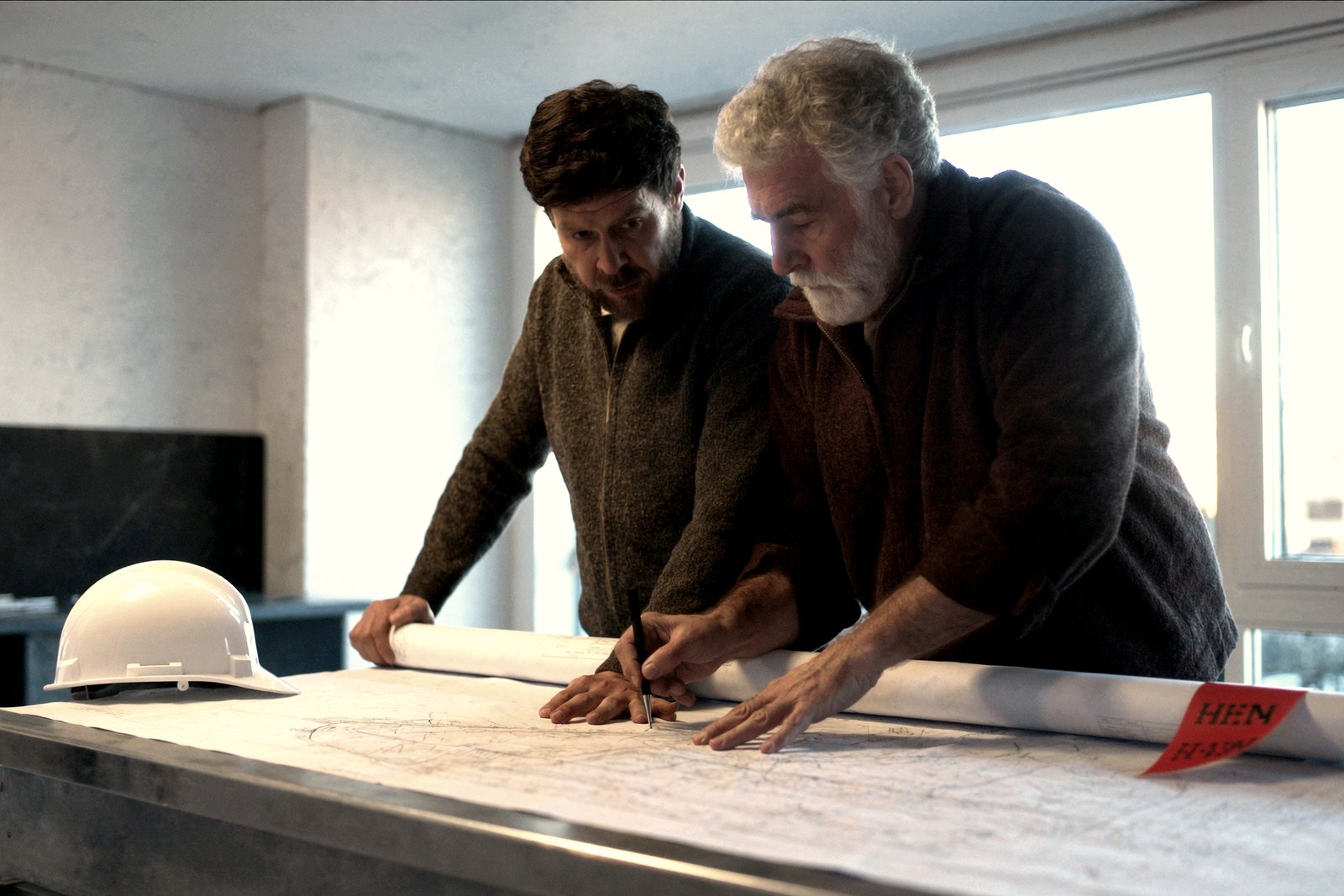
The document that ruins the week
Somebody built to superseded information.
It is the oldest failure in project documentation and it is always expensive. A drawing was revised, the revision went out, and somewhere downstream a person was working from the previous one.
The second version of the same problem arrives at close-out: the handover dossier has to be complete and current, and assembling it turns into weeks of chasing vendor data and transmittal records that were never kept in one place.
Where the time goes
Three things that are true of almost every practice we see.

Revision status lives in a spreadsheet
The master document register is maintained by hand, and it is accurate right up until the week somebody is on leave.

Vendor data arrives however it likes
Different suppliers, different formats, different naming, all landing in email and all needing to be registered against the right tag.

The dossier is assembled at the end
Close-out becomes an archaeology exercise, under commercial pressure, when the people who knew have moved to the next project.
What changes
The register is the record, and it is kept as you go.
We run the master document register as a live thing rather than a spreadsheet: every document registered against its number and revision, with the superseded versions kept and clearly superseded.
Transmittals are recorded as they happen, so what was issued, to whom and when is a fact you can produce rather than a thread you have to reconstruct. Close-out then becomes an export rather than a project.
- A live master document register, maintained by a person whose job it is.
- Every revision kept, with the current one unambiguous.
- Vendor data registered against the right tag as it arrives.
- Transmittal records captured at the time, not reconstructed later.
The regulator in the room
The boundary, stated plainly.
Engineering document control conventionally expects transmittal workflow: issue, receipt, acknowledgement, chase. We will be exact about how that works here, because it is the question a document controller will ask in the first meeting.
The platform holds the record. The register, the revision status, the metadata, the controlled access, the audit trail and the retrieval are all real, today.
The routing is a person. Your document controller issues the transmittal, records it, chases the acknowledgement and closes it out. There is no automated workflow engine behind this, and we are not going to imply there is.
For most project offices that is the right shape anyway. Chasing an outstanding acknowledgement has always been a human job, and an automated reminder that everybody has learned to ignore is not an improvement on somebody whose job it is.
Where a client's own project procedures or an ISO 19650 style information standard apply, we work inside them. We do not certify anything, and we do not claim to.
Questions we get asked
Straight answers.
Can you work inside our client's document numbering?
Yes, and usually we have to. The numbering, the metadata and the transmittal formats come from the project procedures, and the register is built to match them rather than to match us.
Do you handle as-built and close-out dossiers?
Yes. If the register has been kept properly during the project, the dossier is an export and a check. If it has not, the assessment will tell you how far behind it is before you commit to a date.
Is this an EDMS?
It is a document control function that uses one. The distinction matters: you are not buying software to run yourself, you are buying the discipline, with a person who does it.
The partnership
Provelis is delivered by Zuzani Group and runs on the SmartImage platform. Zuzani contracts the service, SmartImage licenses the software, and you deal with one team.


Start here
Find out what you actually hold.
Two weeks, a fixed price, and three things you keep: a register of your documents, a list of what you cannot produce, and a costed plan to put it right.
Book an assessment