
Health practices
The patient file, complete, on the day it is asked for.
General practice, specialist rooms, dentistry, allied health. Wherever the patient record has grown across paper, a practice management system and a mailbox.
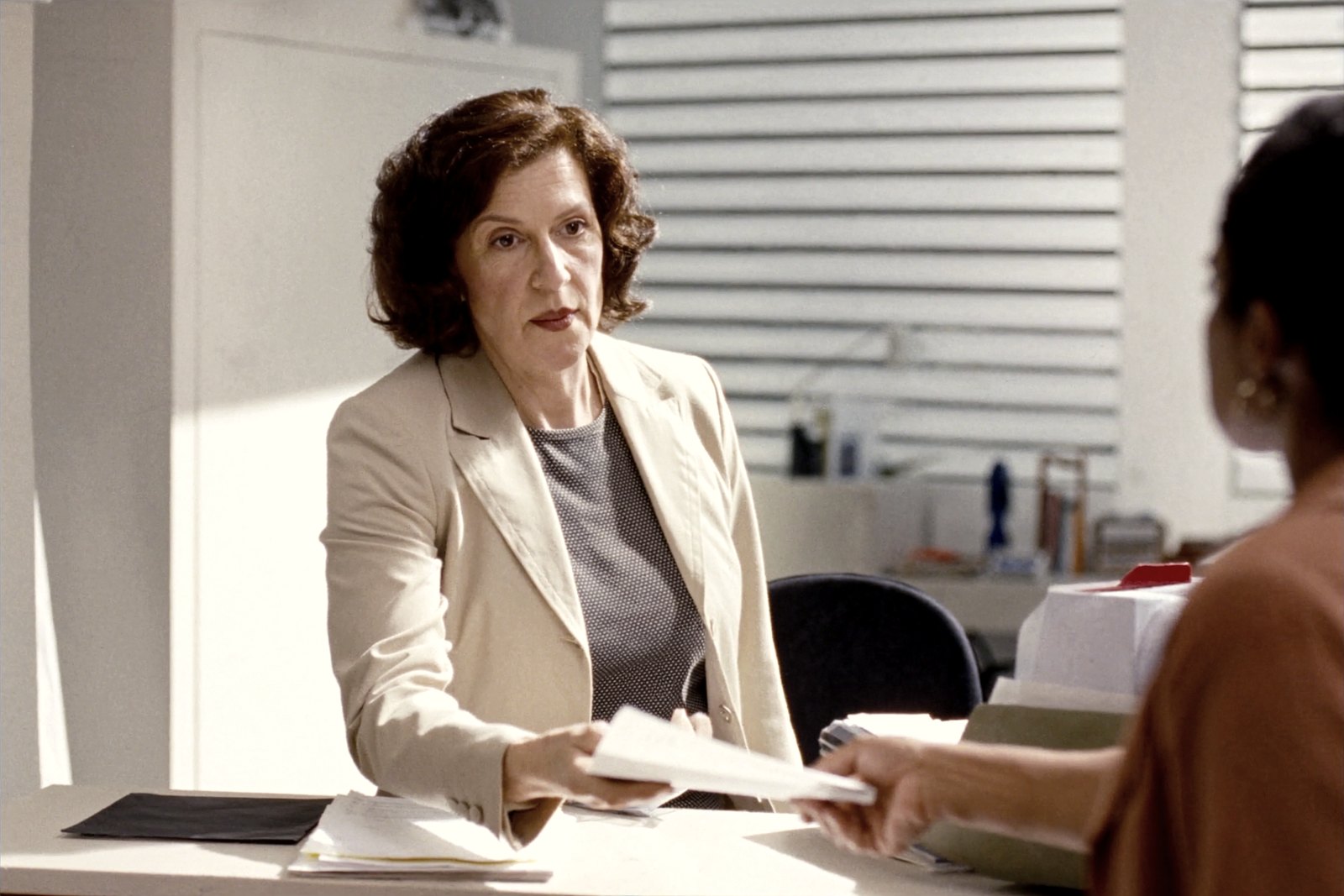
The document that ruins the week
A file requested for a claim, a complaint or a referral.
A medical aid queries an account and wants the supporting notes. A patient complains and the practice has fourteen days to respond. A specialist asks for the history before a referral, and the reception phone is ringing while somebody goes through a cupboard.
The file itself is almost never missing. It is scattered: the older notes on paper, the recent consultations in the practice system, the pathology results and the referral letters in whichever inbox they arrived in.
Where the time goes
Three things that are true of almost every practice we see.

Three systems, one patient
Paper, the practice management system and email each hold part of the record, and only a person can reassemble it.

Filed by whoever was free
Naming drifts as staff change. Two people file the same document type in two different ways, and both are sure they are right.

Nobody can say who looked
Health information carries a higher bar under POPIA, and most practices cannot show who opened a given file, or when.
What changes
One record per patient, and a person who keeps it that way.
We build the index around a stable patient identifier rather than whatever your current billing system uses, so that changing systems later does not strand the history. That single decision has saved more practices more pain than anything else we do.
Then your document controller keeps it current: new consultations, results, referrals and correspondence captured and filed as they arrive, and retrieval handled when reception asks.
- One collection per patient, with every document type in it.
- A stable identifier that survives a change of practice system.
- Access limited by role, with a record of who opened what.
- Back-scanning of the existing paper, phased so the active files come first.
The regulator in the room
POPIA, and why health is different.
Health information is special personal information under POPIA, which means the bar for how you handle it is higher than for ordinary business records, and the consequences of getting it wrong are larger.
Three things follow from that, and they are the ones we build around:
- Access has to be limited and provable. Not just controlled in principle, but demonstrable: who opened which record, and when.
- A data subject request has a clock on it. If a patient asks what you hold about them, being able to produce it quickly is the difference between a routine response and an incident.
- Where the information lives matters. We agree that with you at the assessment and write it into the service agreement rather than leaving it to a default.
Deciding how long you keep records, and when they may be destroyed, stays with you and your attorney. We show you what you hold and what has happened to it. We do not automate that decision.
Questions we get asked
Straight answers.
Does this replace our practice management system?
No. It sits alongside it. The practice system stays where the clinical and billing workflow lives; we hold the documents and make them findable, including everything the practice system was never designed to store.
Can you scan our existing patient files?
Yes, and we phase it so the active files come first. Whether that happens on your premises or at a scanning facility is a decision at the assessment, and it depends on how much you hold and how often you need it while it is being done.
What about files we are still legally required to keep?
You keep them, and now you can find them. What we change is that the record is complete and the access is recorded. What we do not do is decide the retention period for you.
The partnership
Provelis is delivered by Zuzani Group and runs on the SmartImage platform. Zuzani contracts the service, SmartImage licenses the software, and you deal with one team.


Start here
Find out what you actually hold.
Two weeks, a fixed price, and three things you keep: a register of your documents, a list of what you cannot produce, and a costed plan to put it right.
Book an assessment